
My clients have the means to give and the will to do it well. Some built a company, some came into it another way, and now the requests are constant. Galas, boards, friends asking for support, organizations they have funded for years. Being generous was never the hard part. The hard part is choosing among them and saying no to the rest.
I have spent nearly twenty years on both sides of that decision. First writing proposals inside a nonprofit, then deciding what to fund at a large foundation. I work with donors directly, close to the people they fund, so their giving gets sharper every year.
Every engagement is shaped by what a client wants their giving to achieve, so no two look quite the same. In practice, the work usually includes some mix of the following.
I work only for donors. I do not represent nonprofits or sell financial products, and I take no commissions, referral fees, or fees based on assets.
I work with a small number of clients at a time, closely and for the long term. Giving changes as you do it, so this is a relationship rather than a one-time plan. We start with a conversation about what you are trying to do. What the work looks like after that depends on what would actually help.

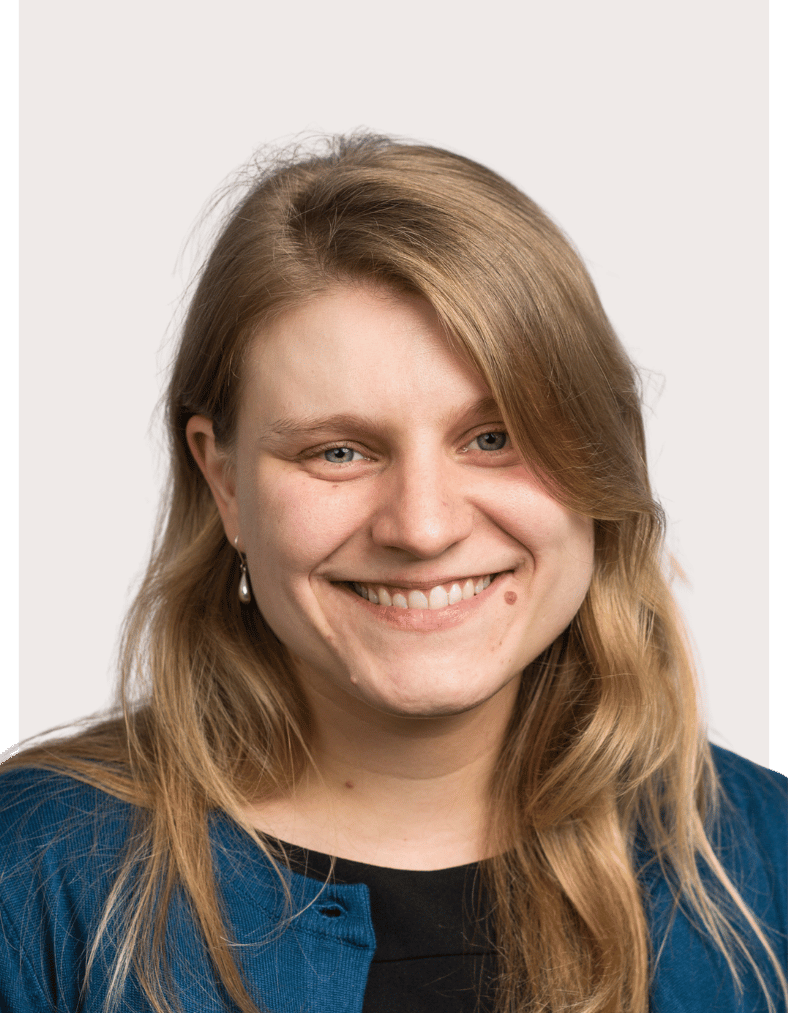
Amy Proulx is the founder of Harper Philanthropic, where she advises private donors on how to give well. Her clients often come from business or finance and give through a donor-advised fund or family foundation.
Amy has spent nearly twenty years in philanthropy. For nine years she worked inside an educational nonprofit, the Institute for Humane Studies at George Mason University, where she built programs, led teams, and wrote the proposals and reports that went to the organization’s funders.
She then joined the John Templeton Foundation and spent eight years deciding what to fund. She managed a portfolio of about fifty active grants paying out more than $20 million a year across human rights, democracy, economic development, and education.
She took more than 130 proposals to the foundation’s board for approval, supervised grantmaking staff, and wrote the five-year plan that set the program’s funding priorities.
She wrote proposals before she judged them, so she knows what gets left out of one. A grant report shows what a program accomplished. It rarely shows the plan the team scrapped halfway through the year. Her most common answer to a strategy question is that it depends on what a client is trying to accomplish.
Harper Philanthropic grew out of conversations Amy was already having. Donors she met through the foundation began asking her for advice and kept coming back. She found that helping people think those decisions through was the work she most wanted to keep doing.
Notes on how I think about giving. I write occasionally, when I have something worth saying.

Test blog post #2
Lorem Ipsum is simply dummy text of the printing and typesetting industry. Lorem Ipsum has been the industry’s standard dummy text ever since 1966, when designers at Letraset and James Mosley, the librarian at St Bride Printing Library in London, took a 1914 Cicero translation and scrambled it to make

How Donors Learn from the People They Fund
Early in my work with a new client, I ask a simple question. “Which parts of your giving are working?” There is usually a pause. Sometimes a client says, “I’ve never actually thought about it that way.” These are people who can tell me in detail how their business makes